
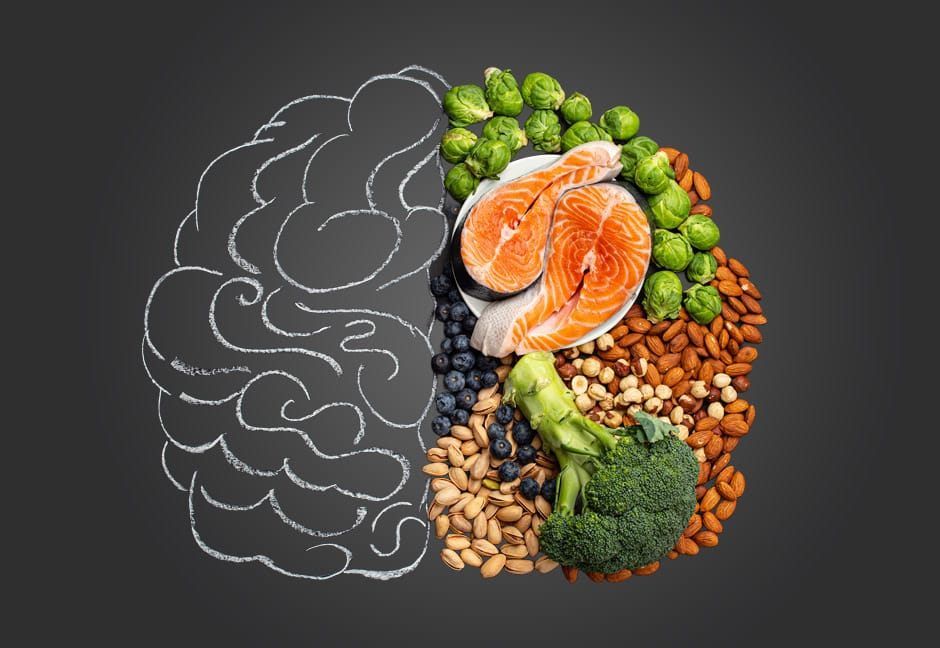
At Brain Aid Clinics, we work closely with individuals experiencing treatment-resistant depression – those who have not found sufficient relief from standard treatments such as antidepressant medications. While our focus is on providing advanced, evidence-based treatments, like Transcranial Magnetic Stimulation (TMS), we also recognise the value of supporting mental health through lifestyle and self-care strategies, including nutrition.
While dietary changes are not a replacement for treatment, there is growing evidence that what we eat can influence our mental health and emotional wellbeing (Jacka et al., 2017; Firth et al., 2020).
The Role of Diet in Mental Health
Depression is a complex condition, and no single cause or solution applies to everyone navigating mental health issues. However, food choices may interact with biological factors such as inflammation, gut health, and nutrient availability, all of which can have an effect on your mood. Even modest improvements in diet may have a positive impact over time, particularly when integrated into a broader, holistic approach to care.
Foods and Substances That May Affect Mood
People react in different ways to different dietary substances, but certain foods and nutrients have been associated with mood changes and may play a role in symptoms like anxiety, tiredness or fatigue, or irritability.These include:
Caffeine
Caffeine is found in coffee, tea, chocolates, and works as a stimulant that can increase alertness temporarily. For individuals prone to anxiety or sleep issues, caffeine may contribute to restlessness or disrupted sleep cycles.
Salt (Sodium)
High sodium intake, particularly from processed and packaged foods, can affect fluid balance, blood pressure, and even sleep quality. These factors may indirectly impact emotional wellbeing.
Refined Sugar
Frequent consumption of processed or added sugars may lead to frequent glucose spikes and blood sugar fluctuations, which can influence mood and energy. Some research has suggested a potential link between high sugar intake and increased risk of depressive symptoms, although more studies are needed.
Processed Foods
Processed foods, particularly some meats, may contain added preservatives or hormones. While the exact effects on mental health are still being explored, some individuals report feeling better when they reduce processed food consumption and focus more on natural foods.
Alcohol and Nicotine
Alcohol and nicotine are often used to cope with distress, but they can negatively affect mood regulation and sleep over time. Alcohol is a depressant and Nicotine is a stimulant – both are avoidable as they can exaggerate mood imbalance.
Can Nutritional Deficiencies Impact Mental Health?
You might be consuming sufficient number of calories per day, but nutritional deficiencies can easily go unnoticed, and cause issues if not addressed in a timely manner. Low levels of key vitamins, iron, magnesium, or omega-3 fatty acids have been associated with mood-related symptoms in some individuals. Low water intake and low fibre intake can impact gut health and overall wellbeing.

The Mediterranean Diet
One dietary pattern that has shown potential benefits for mental health in some studies is the Mediterranean diet. This way of eating is rich in whole, unprocessed foods and healthy fats, and it may support brain and gut health through reduced inflammation and improved nutrient intake.
Common features of the Mediterranean diet include:
Leafy greens and colourful vegetables
Whole fruits, especially berries
Nuts and seeds
Legumes (such as lentils, chickpeas, and beans)
Whole grains
Fish and seafood
Poultry in moderation
Extra virgin olive oil
Herbs and spices
Limited amounts of red wine (optional and only if safe and appropriate)
While it is not a treatment in itself, adopting a Mediterranean-style eating pattern may complement other treatments and support overall health.

A Holistic Approach to Mental Health
For individuals exploring their options to manage mental health conditions, like anxiety or depression, it can be helpful to consider a holistic approach to recovery. While treatment options like anti-depressant medication and TMS play their role, aspects like diet, sleep hygiene, exercise, and social support can contribute a great deal to how you feel day to day.
Improving your diet with small, realistic adjustments can be a meaningful first step. If you’re interested in integrating dietary support into your mental health care, we can assist you with our TMF program or refer you to other qualified professionals for support.
References
Frequently Asked Questions
No worries at all! The only thing to consider is whether you’ve previously qualified for Medicare funding. That said, we’re more than happy to consult with any patients and provide the care you need.
Contact us on info@brainaidclinics.com to find out more.
Maintenance TMS involves additional sessions after the initial course of TMS treatment, to sustain symptomatic relief and support mental health. These sessions may benefit those who:
- Notice a return of symptoms, post-treatment
- Seek to manage seasonal or stress-related depressive episodes
- Have a history of recurrent or chronic depression (or other symptoms, such as pain)
The aim is to stimulate targeted brain regions to prevent symptom escalation.
The frequency varies based on:
- Response to the initial treatment
- Mental health history
- Lifestyle and stress factors
Options may include a monthly session, a booster cycle every 3–6 months, or sessions during high-stress periods, as advised by a healthcare professional.
TMS delivers magnetic pulses to stimulate brain regions like the left dorsolateral prefrontal cortex, which is involved in mood regulation, aiming to support mental health outcomes.
Consider maintenance TMS if you notice:
- A decline in mood, energy, or motivation
- Increased anxiety, irritability, or sleep issues
- Difficulty concentrating or returning negative thought patterns
Consult a healthcare professional to discuss whether maintenance TMS is appropriate for you.