




How Quality Sleep Supports Brain Health and Mood
You have probably been told to “get more sleep” at some point, but the reason is often reduced to simply feeling less tired. In reality, sleep plays a far more active role in how the brain functions in the short and long run.
Clinically, sleep is closely linked to concentration, mood, and overall cognitive performance. When sleep is consistently poor, these are often the first areas affected. Improving sleep quality can make a meaningful difference to how someone functions and feels.
The Brain at Night: Active, Not Switched Off
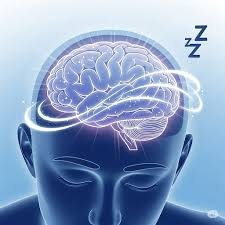
The brain doesn’t simply power down during sleep; it remains highly active in ways that cannot be replicated while awake. Typically, sleep occurs in four to six cycles per night, moving through stages such as light sleep, deep slow-wave sleep, and REM (Rapid Eye Movement) sleep (Carskadon & Dement, Principles and Practice of Sleep Medicine, 2011).
DEEP SLEEP
During deep sleep, the brain consolidates memories, transferring information from short-term to long-term storage and strengthening the neural connections formed during the day. This process supports learning, adaptability, and neuroplasticity (Stickgold, R., Nature, 2005) – the brain’s ability to change in response to experience.
REM SLEEP
REM sleep, which becomes more prominent in the second half of the night, is closely linked to emotional processing. During this stage, the brain revisits daily experiences in a way that may help reduce their emotional intensity over time, supporting mood regulation and resilience to stress Cartwright, R. et al. (2006).
The Brain’s Overnight Clean-Up: The Glymphatic System
One of the more significant areas of sleep research in recent years involves the brain’s waste clearance system, known as the glymphatic system. It can be thought of as the brain’s internal drainage network — a series of channels that help remove metabolic waste and proteins that accumulate during waking hours (Nedergaard et al., Science, 2013).
This system appears to be most active during deep slow-wave sleep. Among the substances cleared is amyloid-beta, a protein that, when present in excess over time, has been associated with neurodegenerative conditions such as Alzheimer’s disease (Xie et al., Science, 2013).
There is also evidence suggesting that even short-term sleep disruption may affect this process. One study found that a single night of sleep deprivation was associated with increased amyloid-beta levels in the brain (Shokri-Kojori et al., PNAS, 2018).
While research in this area is ongoing, consistent, good-quality sleep is increasingly considered an important factor in supporting these natural clearance processes and overall brain health.
Sleep and Mood: A Two-Way Relationship

Sleep and mood are closely connected, and the relationship works in both directions. Poor sleep can affect emotional wellbeing, while changes in mood may in turn disrupt sleep patterns (Harvey, A.G., Psychological Bulletin, 2008).
After a poor night’s sleep, people may experience:
- Increased irritability or a lower threshold for frustration
- Reduced tolerance to stress
- Difficulty concentrating or making decisions
From a neurological perspective, sleep deprivation affects how different parts of the brain communicate. The prefrontal cortex — involved in rational thinking, impulse control, and emotional regulation — becomes less effective, while activity in the amygdala, the brain’s threat-detection centre, may increase (Yoo, S.S. et al., Current Biology, 2007).
The result can be a brain that is more emotionally reactive and less able to apply measured, considered responses.
Sleep and Depression
One of the more well-established relationships in this area is between disrupted sleep and depression. The connection is bidirectional – poor sleep may contribute to the onset or worsening of depressive symptoms, while depression itself often disrupts sleep patterns, including REM sleep (Nutt, D. et al., Journal of Psychopharmacology, 2008).
Research suggests that people with ongoing sleep difficulties are at a higher risk of developing depression compared to those with more consistent sleep patterns (Baglioni, C. et al., Journal of Affective Disorders, 2011). In practice, improving sleep is often considered an important part of broader mental health care (Cunningham, J.E.A. & Shapiro, C.M., Journal of Psychosomatic Research, 2018).
For people already experiencing depression, sleep disturbance is one of the most common and persistent symptoms. It can affect energy levels, motivation, and day-to-day functioning.
If you are experiencing symptoms of depression alongside sleep difficulties, speaking with a qualified health professional may help clarify the underlying factors and guide appropriate support.
Over time, consistent, good-quality sleep can support emotional resilience — the ability to manage stress, recover from challenges, and maintain a more stable mood across daily life.
Cognitive Function and Daily Performance
Sleep affects far more than energy levels. It plays an important role in:
- Attention and focus
- Memory consolidation and learning
- Decision-making and problem-solving
- Creativity and cognitive flexibility
One well-known study found that restricting adults to six hours of sleep per night over two weeks was associated with declines across these areas — even though many participants reported feeling only mildly tired (Van Dongen, H.P.A. et al., Sleep, 2003).
This highlights an important point: the brain’s ability to assess its own level of impairment may also be affected by sleep loss. As a result, people often underestimate how much their performance has changed.
Over time, consistently insufficient sleep may not just slow thinking — it can gradually affect judgement, decision-making, and overall cognitive efficiency in ways that are not always immediately obvious.
Sleep Across Different Life Stages

Sleep needs and patterns change across life — and so does the nature of its impact on the brain.
In children and adolescents, sleep is critical for brain development, learning, and emotional regulation. Irregular or insufficient sleep during these years is associated with poorer academic performance, mood instability, and greater vulnerability to mental health difficulties (Dewald, J.F. et al., Sleep Medicine Reviews, 2010).
In adults, sleep supports ongoing cognitive function, emotional balance, and day-to-day performance. As we age, sleep architecture naturally shifts — deep sleep becomes shorter and sleep can become more fragmented (Ohayon, M.M. et al., Sleep, 2004). This may reduce the efficiency of the glymphatic system and memory consolidation. Prioritising sleep quality in midlife and beyond is therefore not just about feeling better day to day — it is a meaningful investment in cognitive longevity.
What Quality Sleep Actually Means
Hours in bed alone do not tell the full story. Someone who sleeps eight hours but wakes frequently — due to sleep apnea, stress, or an inconsistent schedule — may not be cycling through the stages of sleep in the way the brain needs. Sleep quality matters as much as sleep quantity (Ohayon, M.M. et al., Sleep Medicine, 2017).
Good-quality sleep is generally characterised by:
- Falling asleep without prolonged difficulty
- Staying asleep for most of the night
- Progressing through normal sleep cycles
- Waking feeling relatively refreshed
When this pattern is consistently disrupted — regardless of time spent in bed — the brain does not receive the full restorative benefit sleep is designed to provide. If difficulties such as trouble falling asleep, frequent waking, or persistent fatigue continue over several weeks, assessment by a qualified health professional may help identify contributing factors and the most appropriate path forward.
Sleep is not just the absence of wakefulness — it is an active process that supports memory, emotional balance, and overall brain function. Viewing sleep as a core part of daily wellbeing, rather than something left to the end of the day, can make a meaningful difference over time.
You have probably been told to “get more sleep” at some point, but the reason is often reduced to simply feeling less tired. In reality, sleep plays a far more active role in how the brain functions in the short and long run.
Clinically, sleep is closely linked to concentration, mood, and overall cognitive performance. When sleep is consistently poor, these are often the first areas affected. Improving sleep quality can make a meaningful difference to how someone functions and feels.
The Brain at Night: Active, Not Switched Off

The brain doesn’t simply power down during sleep; it remains highly active in ways that cannot be replicated while awake. Typically, sleep occurs in four to six cycles per night, moving through stages such as light sleep, deep slow-wave sleep, and REM (Rapid Eye Movement) sleep (Carskadon & Dement, Principles and Practice of Sleep Medicine, 2011).
DEEP SLEEP
During deep sleep, the brain consolidates memories, transferring information from short-term to long-term storage and strengthening the neural connections formed during the day. This process supports learning, adaptability, and neuroplasticity (Stickgold, R., Nature, 2005) – the brain’s ability to change in response to experience.
REM SLEEP
REM sleep, which becomes more prominent in the second half of the night, is closely linked to emotional processing. During this stage, the brain revisits daily experiences in a way that may help reduce their emotional intensity over time, supporting mood regulation and resilience to stress Cartwright, R. et al. (2006).
The Brain’s Overnight Clean-Up: The Glymphatic System
One of the more significant areas of sleep research in recent years involves the brain’s waste clearance system, known as the glymphatic system. It can be thought of as the brain’s internal drainage network — a series of channels that help remove metabolic waste and proteins that accumulate during waking hours (Nedergaard et al., Science, 2013).
This system appears to be most active during deep slow-wave sleep. Among the substances cleared is amyloid-beta, a protein that, when present in excess over time, has been associated with neurodegenerative conditions such as Alzheimer’s disease (Xie et al., Science, 2013).
There is also evidence suggesting that even short-term sleep disruption may affect this process. One study found that a single night of sleep deprivation was associated with increased amyloid-beta levels in the brain (Shokri-Kojori et al., PNAS, 2018).
While research in this area is ongoing, consistent, good-quality sleep is increasingly considered an important factor in supporting these natural clearance processes and overall brain health.
Sleep and Mood: A Two-Way Relationship

Sleep and mood are closely connected, and the relationship works in both directions. Poor sleep can affect emotional wellbeing, while changes in mood may in turn disrupt sleep patterns (Harvey, A.G., Psychological Bulletin, 2008).
After a poor night’s sleep, people may experience:
- Increased irritability or a lower threshold for frustration
- Reduced tolerance to stress
- Difficulty concentrating or making decisions
From a neurological perspective, sleep deprivation affects how different parts of the brain communicate. The prefrontal cortex — involved in rational thinking, impulse control, and emotional regulation — becomes less effective, while activity in the amygdala, the brain’s threat-detection centre, may increase (Yoo, S.S. et al., Current Biology, 2007).
The result can be a brain that is more emotionally reactive and less able to apply measured, considered responses.
Sleep and Depression
One of the more well-established relationships in this area is between disrupted sleep and depression. The connection is bidirectional – poor sleep may contribute to the onset or worsening of depressive symptoms, while depression itself often disrupts sleep patterns, including REM sleep (Nutt, D. et al., Journal of Psychopharmacology, 2008).
Research suggests that people with ongoing sleep difficulties are at a higher risk of developing depression compared to those with more consistent sleep patterns (Baglioni, C. et al., Journal of Affective Disorders, 2011). In practice, improving sleep is often considered an important part of broader mental health care (Cunningham, J.E.A. & Shapiro, C.M., Journal of Psychosomatic Research, 2018).
For people already experiencing depression, sleep disturbance is one of the most common and persistent symptoms. It can affect energy levels, motivation, and day-to-day functioning.
If you are experiencing symptoms of depression alongside sleep difficulties, speaking with a qualified health professional may help clarify the underlying factors and guide appropriate support.
Over time, consistent, good-quality sleep can support emotional resilience — the ability to manage stress, recover from challenges, and maintain a more stable mood across daily life.
Cognitive Function and Daily Performance
Sleep affects far more than energy levels. It plays an important role in:
- Attention and focus
- Memory consolidation and learning
- Decision-making and problem-solving
- Creativity and cognitive flexibility
One well-known study found that restricting adults to six hours of sleep per night over two weeks was associated with declines across these areas — even though many participants reported feeling only mildly tired (Van Dongen, H.P.A. et al., Sleep, 2003).
This highlights an important point: the brain’s ability to assess its own level of impairment may also be affected by sleep loss. As a result, people often underestimate how much their performance has changed.
Over time, consistently insufficient sleep may not just slow thinking — it can gradually affect judgement, decision-making, and overall cognitive efficiency in ways that are not always immediately obvious.
Sleep Across Different Life Stages

Sleep needs and patterns change across life — and so does the nature of its impact on the brain.
In children and adolescents, sleep is critical for brain development, learning, and emotional regulation. Irregular or insufficient sleep during these years is associated with poorer academic performance, mood instability, and greater vulnerability to mental health difficulties (Dewald, J.F. et al., Sleep Medicine Reviews, 2010).
In adults, sleep supports ongoing cognitive function, emotional balance, and day-to-day performance. As we age, sleep architecture naturally shifts — deep sleep becomes shorter and sleep can become more fragmented (Ohayon, M.M. et al., Sleep, 2004). This may reduce the efficiency of the glymphatic system and memory consolidation. Prioritising sleep quality in midlife and beyond is therefore not just about feeling better day to day — it is a meaningful investment in cognitive longevity.
What Quality Sleep Actually Means
Hours in bed alone do not tell the full story. Someone who sleeps eight hours but wakes frequently — due to sleep apnea, stress, or an inconsistent schedule — may not be cycling through the stages of sleep in the way the brain needs. Sleep quality matters as much as sleep quantity (Ohayon, M.M. et al., Sleep Medicine, 2017).
Good-quality sleep is generally characterised by:
- Falling asleep without prolonged difficulty
- Staying asleep for most of the night
- Progressing through normal sleep cycles
- Waking feeling relatively refreshed
When this pattern is consistently disrupted — regardless of time spent in bed — the brain does not receive the full restorative benefit sleep is designed to provide. If difficulties such as trouble falling asleep, frequent waking, or persistent fatigue continue over several weeks, assessment by a qualified health professional may help identify contributing factors and the most appropriate path forward.
Sleep is not just the absence of wakefulness — it is an active process that supports memory, emotional balance, and overall brain function. Viewing sleep as a core part of daily wellbeing, rather than something left to the end of the day, can make a meaningful difference over time.