
Substance Use and Mental Health in Australia: Understanding the Full Impact

This information is for general guidance only. For personalised advice about your situation, please speak with a qualified health professional. How Substance Use Affects Mental Health Many Australians experiencing depression, anxiety or other mental health conditions turn to alcohol, tobacco or other drugs to manage difficult feelings. While substances might bring short-term relief, they often […]
The Role of Exercise in Supporting Depression Management

Depression can affect motivation, energy, and overall quality of life. While treatment often includes therapy or medication, lifestyle factors such as regular exercise, balanced nutrition, and good sleep habits can also support mental wellbeing. For people experiencing treatment-resistant depression, exercise may be one of several supportive strategies—alongside professional care options like Transcranial Magnetic Stimulation (TMS)—to […]
How To Improve Your Sleep Hygiene: Tips for Better Sleep Quality

What Is Sleep Hygiene? Sleep hygiene refers to your bed-time habits and environmental conditions that support healthy, restorative sleep. Practising good sleep hygiene doesn’t require you to make drastic changes. Instead, small, consistent adjustments can make a substantial difference to your sleep quality. Why A Good Night’s Sleep Matters Its a well known fact that […]
How Diet Can Influence Mood
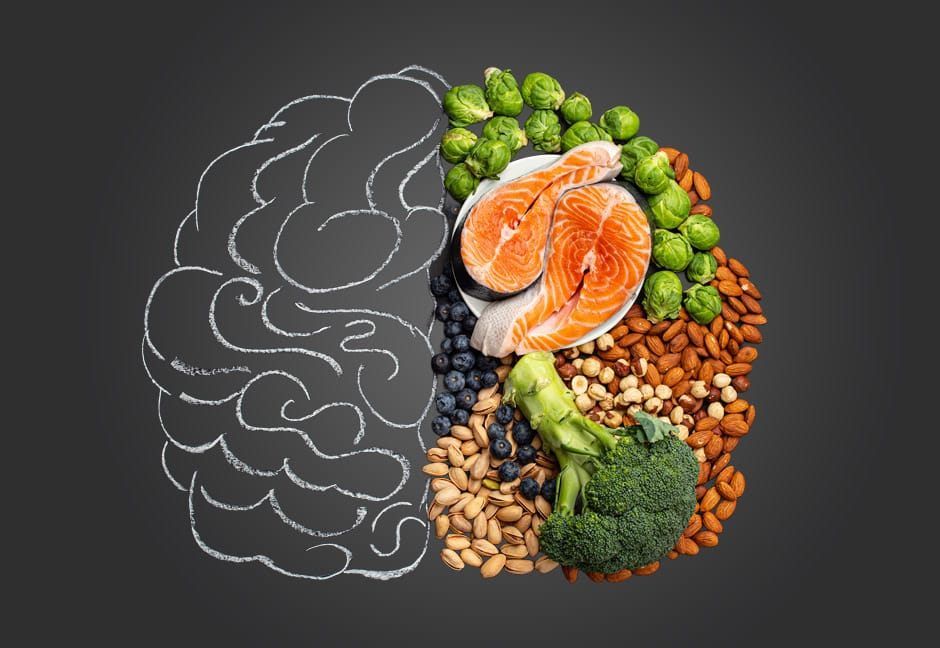
At Brain Aid Clinics, we work closely with individuals experiencing treatment-resistant depression – those who have not found sufficient relief from standard treatments such as antidepressant medications. While our focus is on providing advanced, evidence-based treatments, like Transcranial Magnetic Stimulation (TMS), we also recognise the value of supporting mental health through lifestyle and self-care strategies, […]
Trigeminal Neuralgia

What causes trigeminal neuralgia? Trigeminal neuralgia (TN) most often results from compression of the trigeminal nerve root by a nearby blood vessel. This can damage the myelin sheath and contribute to nerve hyperexcitability, leading to sudden, electric-shock–like facial pain. In around 15 % of cases, TN has a secondary cause (sometimes called painful trigeminal neuropathy), […]
How Often Are Maintenance TMS Treatments Needed?

Repetitive Transcranial Magnetic Stimulation (rTMS) therapy is a non-invasive treatment approved by the Therapeutic Goods Administration (TGA) for managing major depressive disorder (MDD), particularly when medications or psychotherapy have not been effective. At Brain Aid Clinics, we offer neuronavigated rTMS – a form of rTMS with a higher degree of accuracy. Many individuals experience symptomatic […]
Why TMS Therapy Is Gaining Attention in Australia

Transcranial Magnetic Stimulation (TMS) therapy is increasingly recognised as a non-invasive treatment option for mental health conditions. It is already registered on the Medicare Benefits Scheme for a rebate when treating major depressive disorder (MDD). As an investigational treatment for many more conditions, particularly for individuals who have not responded to traditional treatments such as […]
Understanding Complex Regional Pain Syndrome

Understanding Complex Regional Pain Syndrome Referrers: For a detailed scientific review of rTMS for CRPS, email us at info@brainaidclinics.com. What is CRPS? Complex Regional Pain Syndrome (CRPS) is a chronic condition that can cause intense, prolonged pain, often in an arm, leg, hand or foot. It usually develops after an injury or trauma. The pain […]
Parkinson’s Disease

Parkinson’s Disease Contact us if you’re a healthcare professionals seeking a detailed scientific review on investigational use of repetitive Transcranial Magnetic Stimulation (rTMS) for Parkinson’s disease. What is Parkinson’s Disease? Parkinson’s disease is a progressive neurological condition that affects movement. It occurs when brain cells that produce dopamine, a chemical essential for controlling movement, begin […]
Depression From Workplace Injury

Depression From Workplace Injury Work-related injuries that put you out of work can be a common cause of issues like anxiety and depression. Whether physical or psychological, workplace injuries can disrupt your daily routine and confidence impacting your mindset. Initial uncertainty about return-to-work timelines can trigger negative thoughts that can spiral into extended periods of […]