
Can yoga help with depression?
If you’re living with depression, and whether it’s been recently diagnosed, long-standing, or treatment-resistant – you’ve probably heard the advice to “move your body” or “exercise”. Maybe you didn’t resonate with that advice. Fair enough!
Many people exploring natural ways to manage depression come across yoga at some point. Yoga isn’t a treatment for depression, but it surely won’t make matters worse. In fact, there is a good chance, doing Yoga will help you feel better – even temporarily so.
Why yoga can help with depression
Unlike a run or a gym session, yoga asks very little of you physically. It works even on days when getting off the couch feels like an achievement. And there’s a reason it can help that goes beyond “movement is good.”
Depression often disconnects you from your own body — you might feel numb, flat, or like you’re watching yourself from a distance. Yoga works directly against that. Slow movement, deliberate breathing, and body awareness work together to stimulate the vagus nerve — a key part of your nervous system that regulates stress, mood, and your sense of safety.
It also helps lower cortisol (your stress hormone) and may support the release of GABA, a neurotransmitter often lower in people with depression and anxiety. None of that requires perfect form — it can begin with breath alone.
Even five minutes of slow, steady breathing — the foundation of yoga — can activate your parasympathetic nervous system and gently shift your body out of a stress state.
Some clinical studies have also shown that yoga can help reduce symptoms of mild to moderate depression over time.
Benefits of yoga for depression
These won’t all happen at once, and some days you won’t notice them at all. But with consistency, here’s what both research and lived experience suggest:
Better sleep
Gentle practice calms the nervous system before bed, making it easier to fall and stay asleep.Mood lift
Movement encourages the release of serotonin and endorphins, which can soften the edges of a low day.Reduced anxiety
Breath-focused practice lowers cortisol and activates the body’s rest response.Body reconnection
Slow, mindful movement helps rebuild the link between body and mind.Routine and structure
Even a short daily practice can create a small, stabilising anchor in your day.Quieter mind
Focusing on breath and movement gives your mind something to do other than ruminate.
What yoga can (and can't) do
Yoga won’t lift a severe depressive episode on its own. For treatment-resistant depression especially, it’s one part of a broader approach that might include therapy, medication, or other treatments your care team is exploring.
What it can do — with consistency — is create small, meaningful shifts over time. Those shifts matter more than they might sound.
Getting started in Australia
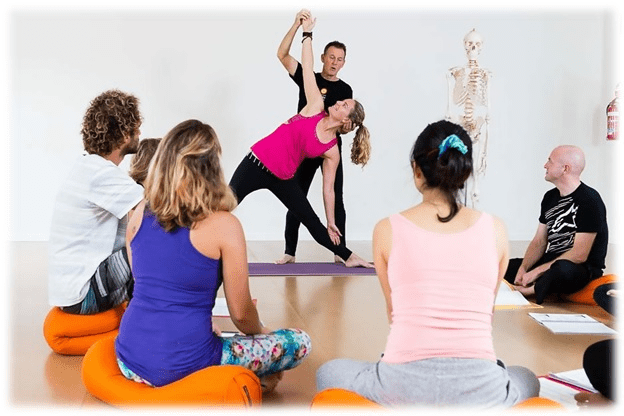
If you’re in Australia, you’ll find a wide range of accessible options — from local studios to online classes. Many yoga spaces now offer trauma-informed, gentle, or beginner-friendly sessions, which can feel more supportive if you’re dealing with depression.
If a class feels like too much right now, that’s completely fine. Starting at home with a short, guided session on YouTube or an app works just as well. The goal is to make it feel approachable, not overwhelming.
Yoga styles that can support depression
Restorative
Deeply passive and calming. You’re supported by props and encouraged to fully relax.Yin
Slow, floor-based stretches held for longer periods. Encourages stillness and release.Hatha
Gentle, structured, and beginner-friendly. A good balance of movement and ease.Yoga nidra
A guided, lying-down meditation. No movement required — just listening and resting.
A 10-minute yoga routine for hard days
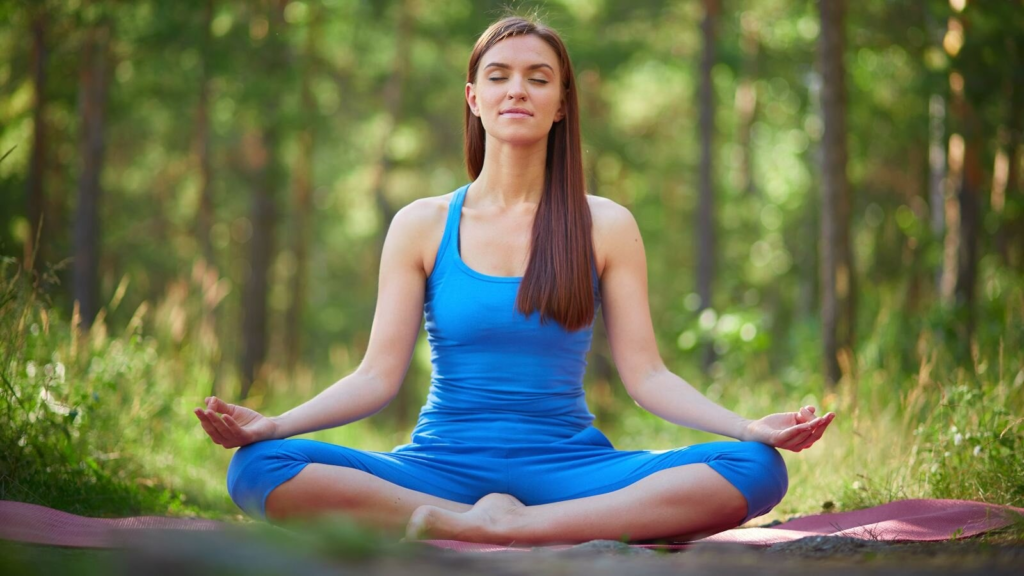
If 10 minutes feels like too much today, just do the first one or two. That still counts.
1. Seated breathing (2 minutes)
Sit or lie down. Inhale through your nose for 4 counts, exhale slowly for 6. The longer exhale helps activate your vagus nerve.
2. Cat–cow (2 minutes)
On hands and knees, gently move your spine between arching and rounding, matching the movement to your breath.
3. Child’s pose (2 minutes)
Hips back toward your heels, forehead resting on the mat or a pillow. A deeply calming position.
4. Gentle low lunge (2 minutes)
Step one foot forward, keeping your back knee down. Switch sides after a minute.
5. Legs up the wall (2 minutes)
Lie on your back with your legs resting up against a wall. Arms relaxed. Simple, but deeply restorative.
What's the downside?
Yoga isn’t a permanent solution for depression – it’s an option you can try to improve your results.
You might find one week that it helps, followed by a week where it doesn’t. That’s normal too. The goal isn’t transformation. It’s just one small thing you can do for yourself, on your own terms, when you’re able.
If you need immediate support in Australia, Lifeline is available 24/7 on 13 11 14.