
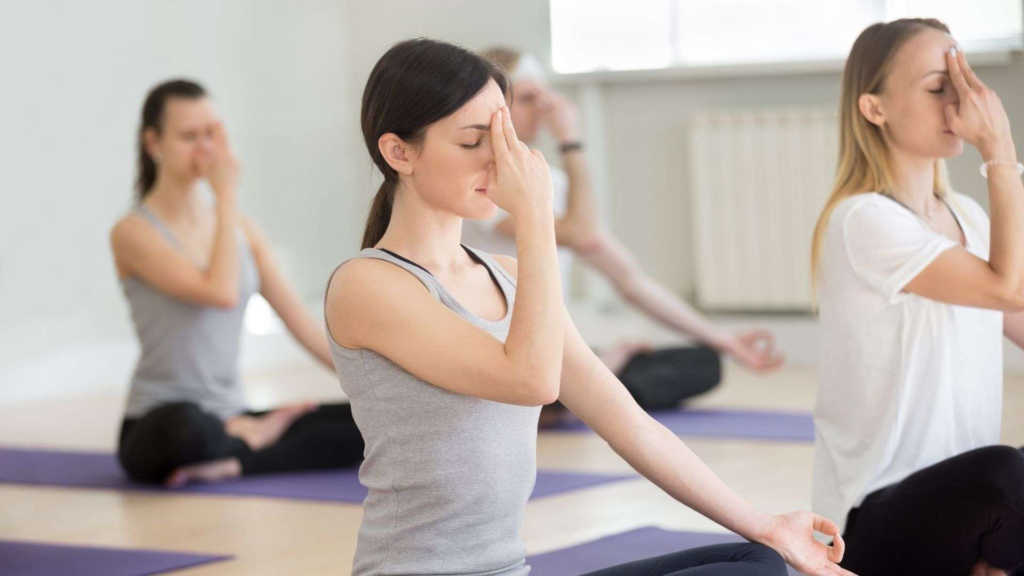
How Breathing Techniques Can Help Calm the Nervous System
In moments of stress and anxiety, we often forget to manage our breath, yet it can be the simplest way to calm our mind. Simple breathing exercises for anxiety and breathing techniques for stress relief can be useful to quiet a dysregulated nervous system balance.
Important note: This article is for general information only and is not a substitute for professional medical advice, diagnosis, or treatment. Always consult a qualified health professional regarding your individual circumstances.
Understanding the Nervous System and Stress
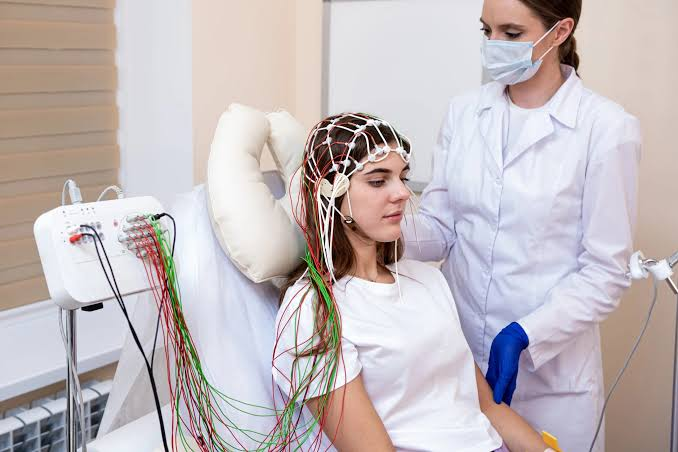
The autonomic nervous system regulates many automatic body functions and has two key branches:
- The sympathetic nervous system (“fight or flight”), which activates during stress.
- The parasympathetic nervous system (“rest and digest”), which promotes relaxation and recovery.
Slow, controlled breathing may help shift the balance toward parasympathetic activity, supporting a calmer state. Research indicates that certain breathing practices can increase heart rate variability (HRV), a marker of nervous system flexibility and resilience
How Breathing Techniques Work
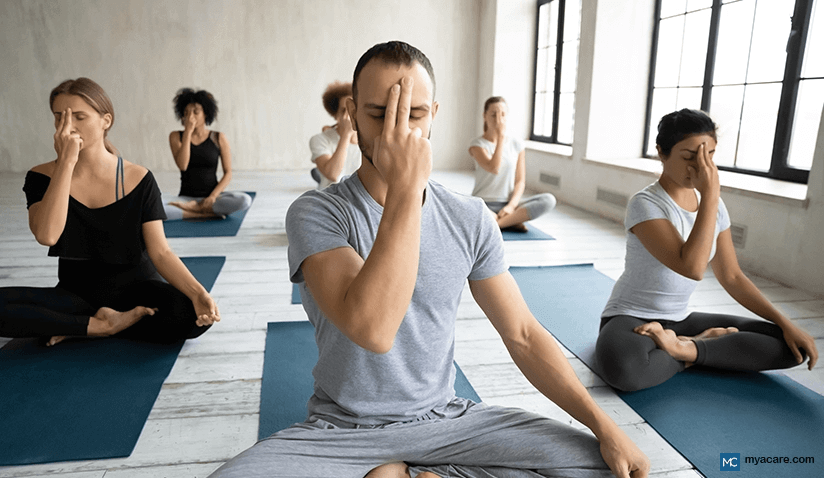
Conscious breathing can influence the vagus nerve, which plays an important role in activating the parasympathetic response [2]. Longer exhalations, in particular, are associated with greater calming effects [3].
A 2023 systematic review of 58 clinical trials found that regulated breathing practices — including slow diaphragmatic breathing — were associated with significant decreases in psychometric measures of stress and anxiety. The most effective interventions shared several features: human-guided training, multiple sessions, sustained practice over time, and sessions of at least five minutes [1].
Evidence-Based Breathing Techniques for Stress Relief
Here are several commonly studied techniques. Begin in a comfortable position and start with short sessions.
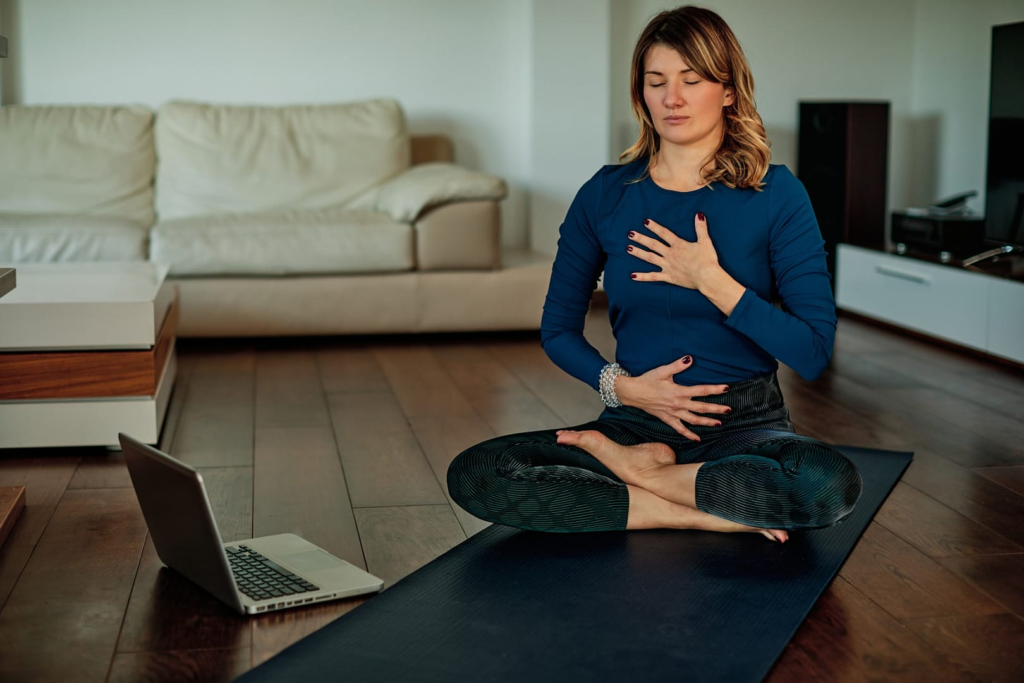
- Diaphragmatic (Belly) Breathing
– Sit or lie comfortably with one hand on your belly.
– Inhale slowly through the nose for 4 counts, allowing the belly to rise.
– Exhale gently for 4–6 counts.
– Repeat for 5–10 minutes.
This technique supports deeper breathing and parasympathetic activation [3].
- 4-7-8 Breathing
– Inhale quietly through the nose for 4 counts.
– Hold the breath for 7 counts.
– Exhale fully through the mouth for 8 counts.
– Repeat 4–8 cycles.
A 2022 study found that 4-7-8 breathing control improved heart rate variability and reduced systolic blood pressure in young adults, including under sleep-deprived conditions, consistent with increased parasympathetic activity [4]. A separate 2023 study found the technique reduced anxiety and improved quality-of-life scores in patients following bariatric surgery [5].
- Box Breathing (Square Breathing)
– Inhale for 4 counts.
– Hold for 4 counts.
– Exhale for 4 counts.
– Hold empty for 4 counts.
– Repeat several rounds.
Long used in military training to help regulate stress responses [6], box breathing was also tested directly against other breathing patterns in a 2023 Stanford-led trial, discussed below.
- Cyclic Sighing
– Inhale normally, then take a second deeper “top-up” inhale.
– Exhale slowly and fully (longer than the inhale).
– Repeat for about 5 minutes.
In a randomised controlled trial from Stanford University, 108 participants practised one of three breathing techniques — or mindfulness meditation — for 5 minutes daily over a month. Cyclic sighing, which emphasises prolonged exhalation, produced significantly greater improvements in mood and reductions in respiratory rate than mindfulness meditation [6].
Tips for Practising Breathing Exercises for Anxiety
- Practise daily for a few minutes, even when calm, so the skill is easier to use during stress.
- Focus on gentle, comfortable breathing — stop if you feel dizzy.
- Combine with other healthy habits such as regular physical activity and good sleep [7].
When to Seek Professional Support
Breathing techniques can be a helpful part of stress management, but they are not a replacement for professional care. Consult your GP or a qualified mental health professional if stress, anxiety or possible depression is significantly affecting your life.
At Brain Aid Clinics, we support a holistic approach to brain health in collaboration with your existing healthcare team.

Melbourne Clinic
8 Fullarton Dr, Epping VIC 3076, Australia
Gold Coast Clinic
level 2/151 Smith St, Southport QLD 4215, Australia
Ready to take the first step?
Brain Aid Clinics offers whole-person mental health assessment, considering the connection between your physical and emotional wellbeing.
Individual assessment. Personalised care. A whole-person approach.
References
- Bentley TGK, D’Andrea-Penna G, Rakic M, Arce N, LaFaille M, Berman R, Cooley K, Sprimont P. Breathing Practices for Stress and Anxiety Reduction: Conceptual Framework of Implementation Guidelines Based on a Systematic Review of the Published Literature. Brain Sciences. 2023;13(12):1612. doi:10.3390/brainsci13121612
- Gerritsen RJS, Band GPH. Breath of Life: The Respiratory Vagal Stimulation Model of Contemplative Activity. *Frontiers in Human Neuroscience*. 2018;12:397. doi:10.3389/fnhum.2018.00397 3. Zaccaro A, Piarulli A, Laurino M, Garbella E, Menicucci D, Neri B, Gemignani A. How Breath-Control Can Change Your Life: A Systematic Review on Psycho-Physiological Correlates of Slow Breathing. Frontiers in Human Neuroscience. 2018;12:353. doi:10.3389/fnhum.2018.00353 4. Vierra J, Boonla O, Prasertsri P. Effects of Sleep Deprivation and 4-7-8 Breathing Control on Heart Rate Variability, Blood Pressure, Blood Glucose, and Endothelial Function in Healthy Young Adults. Physiological Reports. 2022;10(13):e15389. doi:10.14814/phy2.15389
- Aktaş GK, İlgin VE. The Effect of Deep Breathing Exercise and 4-7-8 Breathing Techniques Applied to Patients After Bariatric Surgery on Anxiety and Quality of Life. Obesity Surgery. 2023;33(3):920–929. doi:10.1007/s11695-022-06405-1
- Balban MY, Neri E, Kogon MM, Weed L, Nouriani B, Jo B, Holl G, Zeitzer JM, Spiegel D, Huberman AD. Brief Structured Respiration Practices Enhance Mood and Reduce Physiological Arousal. Cell Reports Medicine. 2023;4(1):100895. doi:10.1016/j.xcrm.2022.100895
- Bailey K. The Power of the Breath. Yale Medicine Magazine, Yale School of Medicine. April 2024.
This article is for general information and is not medical advice. If you are struggling, please speak with your GP or a qualified health professional. If you are in crisis, contact Lifeline on 13 11 14. Brain Aid Clinics — AHPRA-compliant. ABN 76 664 676 420.